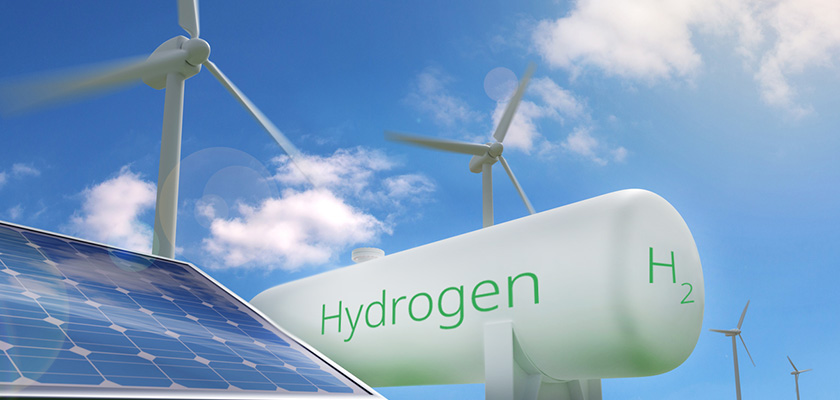

The quest for clean and sustainable energy solutions has led to a growing interest in hydrogen engines. Harnessing the potential of hydrogen, a plentiful and eco-friendly fuel source, offers a promising path to a greener tomorrow. Let’s dive into the workings, benefits, challenges, and uses of hydrogen engines, along with the latest advancements propelling us toward a hydrogen-powered future.
1. Introduction to Hydrogen Engines
Hydrogen engines, also known as hydrogen internal combustion engines (HICE), use hydrogen as fuel. They function similarly to traditional engines but are tweaked to handle hydrogen combustion. With its clean and efficient burning properties, hydrogen has the potential to transform the automotive and energy sectors.
2. How Hydrogen Engines Work
Hydrogen engines follow a series of steps: fuel injection, compression, combustion, and exhaust. Key components include the fuel delivery and ignition systems, along with the combustion chamber. Modifications are needed to optimize these systems for hydrogen’s unique properties.
3. Advantages of Hydrogen Engines
A. Environmental Benefits: Hydrogen combustion emits zero greenhouse gases, only producing water vapor. This makes hydrogen engines vital in the fight against climate change and helps improve air quality.
B. Energy Efficiency and Performance: Hydrogen engines boast higher energy conversion efficiency and can deliver more power due to hydrogen’s complete combustion and high octane rating.
C. Fuel Availability and Versatility: Hydrogen is abundant and can be produced from various sources, offering a flexible fuel option. It can also be used in existing engines with minimal adjustments.
4. Challenges and Limitations
Storage and transportation, safety, and costs pose challenges to widespread adoption. Overcoming these hurdles is crucial for making hydrogen engines a mainstream option.
5. Current and Future Applications
Hydrogen-powered vehicles are already in development, offering long ranges and quick refueling. They also have potential uses in stationary power generation, industrial settings, and aerospace applications.
6. Recent Technological Advancements
Progress in fuel cell integration, hydrogen production methods, and government support are driving advancements in hydrogen engine technology. Collaboration among industries and research institutions is vital for overcoming challenges and driving innovation.
7. Conclusion
Hydrogen engines hold immense promise for a cleaner and more sustainable future. With ongoing research and collaborative efforts, they could revolutionize transportation, power generation, and industry, paving the way for a greener world.