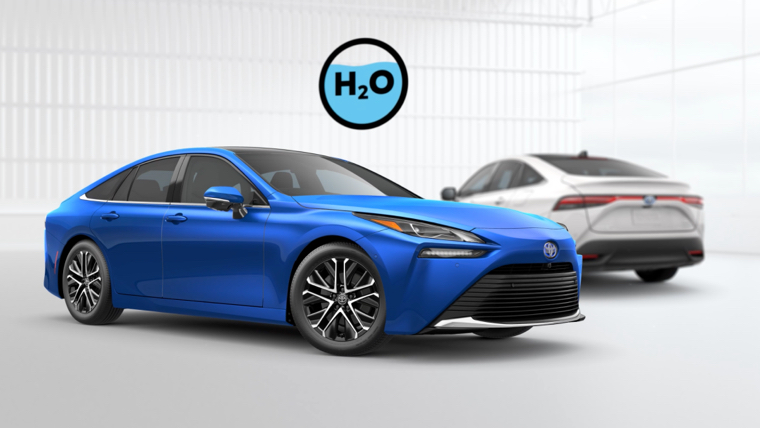

The 2024 Toyota Mirai introduces substantial upgrades to its hydrogen fuel cell electric vehicle (FCEV) technology. This comprehensive review explores the new safety features, driver assistance capabilities, and connectivity options that position the Mirai as a leading zero-emission vehicle.

Safety Features and Driver Assistance
Toyota Safety Sense Updates
- Pre-Collision System now detects oncoming vehicles with enhanced accuracy
- Intersection Collision Avoidance system covers two full lanes
- Emergency Steering Assist includes motorcycle detection capabilities
- Low-speed acceleration control prevents unintended acceleration
Toyota Teammate Advanced Driver Support
- Full Range Adaptive Cruise Control with improved responsiveness
- New Overtake Prevention Support system
- Preliminary Deceleration Control for smoother braking
- Enhanced Lane Trace Assist for better lane centering
- Emergency Driving Stop System for increased safety

Standard Safety Equipment
The 2024 Mirai comes equipped with comprehensive safety features as standard. The Blind Spot Monitor system works in conjunction with cross-traffic alerts to provide enhanced awareness of surrounding vehicles. The 360-degree Panoramic View Monitor delivers complete visibility around the vehicle, essential for tight parking situations and low-speed maneuvering. Toyota has also implemented Proactive Driving Assist, which actively monitors for potential obstacles and provides automated deceleration and steering assistance when needed.
Technology and Connectivity Features
Infotainment System
The centerpiece of the Mirai’s technology package is the new 12.3-inch touchscreen featuring Toyota Smart Connect+. This advanced system integrates cloud-based navigation with real-time traffic updates, while maintaining a backup navigation system for reliable offline use. The voice-activated “Hey Toyota” assistant provides hands-free control of various vehicle functions, complemented by a premium 14-speaker JBL audio system that delivers exceptional sound quality throughout the cabin.
Connected Features
Toyota has enhanced the Mirai’s connectivity with seamless wireless Apple CarPlay and Android Auto integration. Multiple USB-C charging ports are strategically placed throughout the interior, ensuring convenient access for all passengers. The vehicle offers remote parking functionality through a dedicated smartphone app, and a digital key feature is scheduled for release in mid-2024, adding another layer of convenience for owners.
UK Hydrogen Infrastructure and Availability

Current Network Status
The UK currently maintains over 15 hydrogen refueling stations, strategically positioned across the country. While this network is still developing, it provides essential coverage for hydrogen vehicle owners. The infrastructure continues to expand through combined efforts from government initiatives and private sector investments, making hydrogen-powered vehicles increasingly viable for daily use.
Regional Station Distribution
Scotland
Aberdeen leads Scotland’s hydrogen infrastructure with two stations: Aberdeen Council at Powis Terrace (AB25 3PY) and Aberdeen Hydrogen Centre on Langdykes Road (AB12 3FT).
Midlands
Birmingham hosts two key locations: Tyseley Energy Park on Clyde Street (B11 1TX) and the University of Birmingham (B15 2FG). Coventry University (CV1 2HG) provides additional coverage for the West Midlands region.
Yorkshire
Leeds offers hydrogen refueling at Hunslet Gate (LS10 2AP), while Sheffield maintains a station at Brightside Lane (S9 2SP), supporting Yorkshire’s green energy initiatives.
London and Southeast
London features multiple stations including Hatton Cross (TW6 3PH), Rainham (RM13 8EU), Sainsbury’s Hendon (NW9 6JX), and an additional Hatton Cross location (TW6 2GE). The surrounding areas are served by stations in Chelmsford (CM2 5PY), Beaconsfield (HP9 2SE), and Surrey, including Cobham Services (KT11 3JS) and HyFive 1 in Teddington (TW11 0LY).
Environmental Impact

Zero-Emission Performance
The 2024 Toyota Mirai continues to lead in environmental performance, producing only water as exhaust. This zero-emission capability significantly contributes to reduced carbon emissions in urban environments. The vehicle’s hydrogen fuel cell technology represents a crucial step in sustainable transportation, offering quick refueling times while maintaining zero tailpipe emissions.
Paris 2024 Olympics Partnership
Toyota’s commitment to sustainable mobility is highlighted by its partnership with the Paris 2024 Olympics. The manufacturer has designated 500 Mirai vehicles for the Olympic fleet, forming part of a larger 2,650-vehicle electrified contingent supporting the games. Following the Olympics, these vehicles will be integrated into Paris’s hydrogen taxi services, demonstrating the practical application of hydrogen fuel cell technology in urban transportation.
Bottom Line
The 2024 Toyota Mirai demonstrates significant advancement in hydrogen fuel cell technology. With enhanced safety systems, improved driver assistance features, and upgraded connectivity options, this zero-emission sedan represents Toyota’s commitment to sustainable transportation solutions. The strategic placement of hydrogen refueling stations across the UK, combined with ongoing infrastructure development, makes the Mirai an increasingly practical choice for environmentally conscious drivers.
Did You Know? Hydrogen-Powered Jets Aim to Revolutionize Air Travel